

MicrobiomeRestorationTherapy
Microbiome Restoration Therapy (MRT) is a clinically guided approach to restoring gut microbial balance using faecal microbiota transplantation (FMT), by introducing healthy bacteria harvested from a carefully screened donor’s microbiome.

WhenisMicrobiomeRestorationTherapy(MRT)considered?
Microbiome Restoration Therapy may be considered when the gut ecosystem has been significantly disrupted and is unable to recover through standard interventions alone.
-
Severe or persistent gut dysbiosis
-
Recurrent or treatment-resistant conditions are present
MRT is always prescribed and administered under medical supervision, with suitability assessed by a healthcare professional.

AnAsian-Centricstoolbank
AMILI owns and maintains an Asian-centric stool bank, built from donors who reflect regional diets, environments and genetic diversity. Studies indicate that this may influence efficacy.
-
Potential for improved microbial engraftment
-
Greater functional relevance
-
Supports more consistent outcomes in patients based in Asia
Ourdonorecosystem
At AMILI, every Microbiome Restoration Therapy (MRT) treatment is supported by our dedicated Microbiome Donors programme.
Microbiome Restoration Therapy is powerful because it involves transferring a living microbial ecosystem. That power demands exceptional safety standards.
This is a rigorously managed donor ecosystem that underpins safety, consistency, and clinical confidence across all Microbiome restoration therapy (MRT) formats. Because MRT involves transferring a living microbial ecosystem, it requires exceptionally high safety standards.
All donors undergo continuous, comprehensive screening, including:
-
Detailed Medical History & Lifestyle Assessment
Each Microbiome Donors undergoes an in-depth review of medical history, lifestyle factors, and risk indicators to assess suitability and minimise potential safety risks.
-
Physical Examinations
Qualified clinicians conduct regular physical examinations to assess overall health and ensure Microbiome Donors continue to meet strict eligibility requirements.
-
Regular Blood & Stool Testing
Ongoing blood and stool testing screens for pathogens and monitors microbiome consistency throughout the donation period.
MicrobiomerestorationtherapyatAMILI
At AMILI, Microbiome Restoration Therapy is delivered via four MRT-based formats, each retaining its own clinical name and administration method.
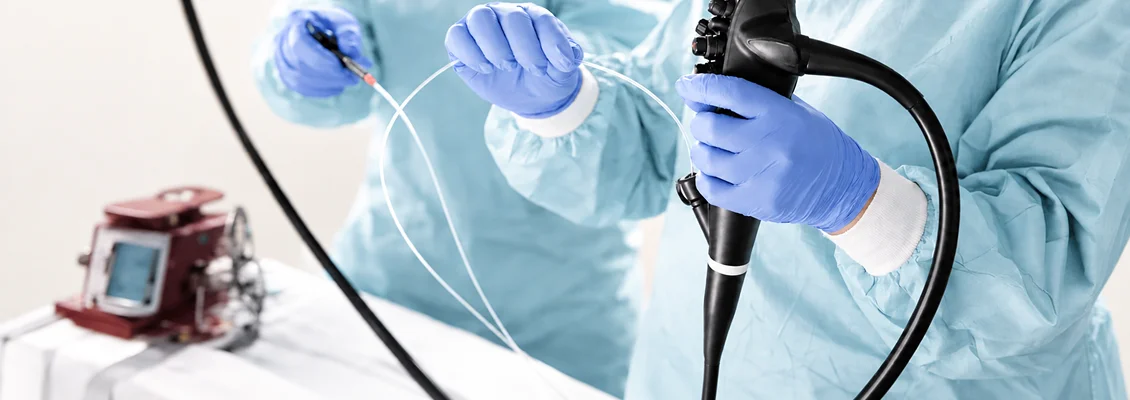
Colonoscopy. Delivered directly into the colon during a colonoscopy procedure.
Enema. Administered rectally without Colonoscopy.

MRT (Oral Capsules). Frozen size 0.22mm Oral Capsules.

AMILI Rebalance. Advances in traditional therapy formats by transforming invasive procedures into a simple, drinkable oral format.

ThenextgenerationofMRTdelivery
REBALANCE is AMILI’s microencapsulated Microbiome Restoration Therapy, where donor microbiota is formed into oral microgranules designed for controlled intestinal release.

Acid-protective delivery to improve microbial survivability

Designed for ease of consumption

Scalable, comfortable, and clinically effective
Yourmicrobiomerestorationtherapyjourney
While protocols vary depending on the chosen format and clinical guidance, Microbiome Restoration Therapy typically includes:
- 1
Pre-therapy consultation
Assessment by a healthcare professional to determine suitability.
- 2
Preparation
This may include antibiotics or bowel preparation, depending on the format.
- 3
Therapy administration
Delivered via the selected Microbiome Restoration Therapy format under medical supervision.
- 4
Post-therapy follow-up
Monitoring, follow-up consultations, and supportive care.

Frequently Asked Questions
Yes. MRT is AMILI's name for faecal microbiota transplantation (FMT). It transfers a whole community of gut microbes from a carefully screened healthy donor to help restore a healthier balance of gut bacteria. It is a medical treatment provided by a doctor.
MRT is internationally recognised for treating recurrent C. difficile infection. Its use for other conditions is still being researched, and any other use is decided by your doctor.
Only a doctor can assess this, based on your diagnosis, medical history, medications and goals. Find a partner clinic.
Common side effects include bloating and gas, abdominal cramping, nausea, looser or more frequent stools, and mild fever in the first 24 to 48 hours. They are usually mild and settle within a few days. Contact your care team promptly if symptoms worsen or do not settle.
MRT is available as oral capsules, ReBalance microgranules mixed into a drink, colonoscopy or enema. Your doctor will recommend the format based on your condition, medical history and goals.


Speak to your healthcare professional
Microbiome Restoration Therapy is a medical treatment that requires professional guidance. If you are exploring Microbiome Restoration Therapy, speak to your doctor or specialist or contact AMILI for clinical information to support your consultation.